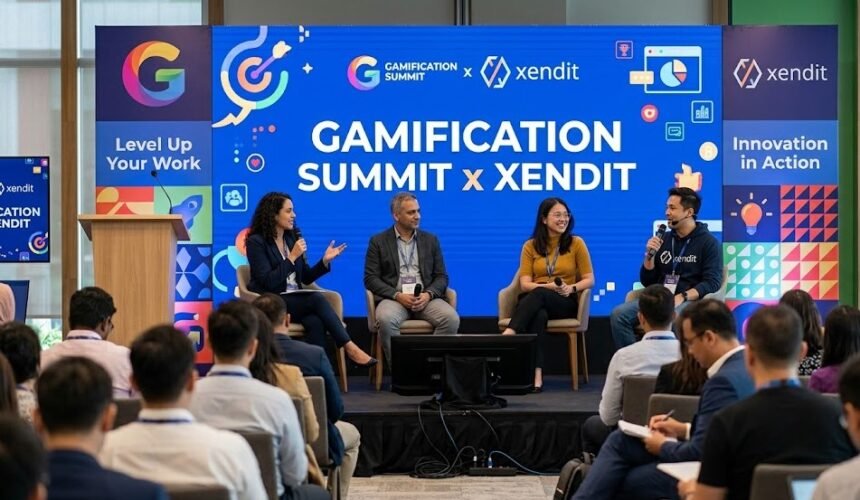
Xendit has established itself as a key player in the Southeast Asian fintech ecosystem by providing fast, secure, and scalable digital payment solutions for businesses. It enables companies to process online transactions, manage payments, and expand across borders without the traditional complexity of banking infrastructure. In discussions around gamificationsummit xendit work, Xendit is often highlighted as a company that represents how fintech innovation is not only about technology but also about building efficient, modern work cultures that support rapid growth and adaptability.
Beyond its payment infrastructure, Xendit operates in a highly competitive and fast-changing digital economy where agility and performance are essential. This environment naturally encourages innovative workplace systems, including performance tracking, team-based goals, and structured feedback loops. As a result, industry conversations frequently reference Xendit for how fintech companies evolve their internal systems alongside their external products, making it a strong example in gamification-focused business discussions.
What Gamification Means in Modern Work Culture
Gamification in modern work culture refers to the application of game-like mechanics in non-game environments to improve employee engagement, motivation, and productivity. In the context of gamificationsummit xendit work, it is about transforming routine tasks into structured, goal-oriented activities where employees can earn recognition, track progress, and feel a sense of achievement. This approach is increasingly used in digital-first companies where traditional supervision methods are less effective due to remote and distributed teams.
In practical terms, gamification includes elements such as points, levels, badges, leaderboards, and performance milestones. These tools help create a more interactive and transparent workplace where employees clearly understand their contributions and growth paths. Instead of relying solely on annual performance reviews, gamified systems provide continuous feedback, making work more dynamic and engaging. In fintech environments like Xendit, this becomes especially valuable because performance, speed, and accuracy directly impact business success.
Key Highlights from Gamification in Workplace Systems
One of the most important highlights in gamificationsummit xendit work discussions is how gamification improves employee engagement by making performance more visible and measurable. Instead of abstract goals, employees interact with structured systems where progress is tracked in real time. This creates a sense of clarity and direction, allowing individuals to understand exactly how their daily efforts contribute to broader organizational objectives.
Another key feature is the introduction of competitive yet healthy workplace dynamics. Leaderboards, achievement badges, and milestone rewards encourage employees to perform better while maintaining motivation. However, modern gamification systems also balance competition with collaboration, ensuring teams work together rather than in isolation. This combination of individual recognition and team success makes workplace systems more engaging, especially in fast-moving fintech companies like Xendit.
How Xendit Applies Gamification in Real Operations
In the context of gamificationsummit xendit work, people often discuss Xendit as a practical example of how fintech companies integrate gamification principles into real operational workflows. While it is primarily a payment infrastructure company, its internal systems and performance culture reflect modern digital workplace practices. Teams often work with clearly defined targets, measurable outcomes, and structured performance tracking that naturally aligns with gamified principles.
In day-to-day operations, this can translate into goal-based task systems, real-time progress tracking, and performance visibility across teams. Employees are encouraged to meet benchmarks that are tied to both individual and team success, creating a structured environment where achievements are recognized and rewarded. This approach helps maintain high efficiency in a fast-paced fintech setting, where accuracy, speed, and scalability are essential for business growth.
Benefits of Gamified Work Models for Employees and Companies
The gamificationsummit xendit work discussion highlights several benefits of using gamified systems in modern workplaces, especially within fintech companies. For employees, one of the biggest advantages is increased motivation. When tasks are linked to points, progress bars, or achievements, work feels more structured and rewarding. This reduces monotony and helps individuals stay focused on clear, measurable goals rather than abstract expectations.
For companies, gamified work models improve productivity and transparency. Managers can easily track performance metrics, identify top performers, and understand where support is needed. This leads to better decision-making and more efficient resource allocation. Additionally, gamification strengthens employee engagement, which often results in lower turnover rates and a more positive workplace culture—both critical factors in fast-growing fintech environments like Xendit.
Challenges and Limitations of Workplace Gamification
Despite its advantages, gamificationsummit xendit work discussions also highlight that gamification in the workplace is not without challenges. One major concern is that over-reliance on game mechanics can sometimes shift employee focus toward rewards rather than meaningful work. If not designed carefully, employees may prioritize points or rankings instead of long-term quality and collaboration, which can reduce overall effectiveness.
Another limitation is the risk of increased pressure and competition. While healthy competition can be motivating, excessive comparison through leaderboards or performance rankings may create stress for some employees. It can also lead to disengagement if individuals feel they are consistently underperforming. Additionally, designing effective gamification systems requires careful planning, as poorly structured models can become confusing or lose their motivational impact over time.
Future of Gamification in Fintech Work Culture
The future of gamificationsummit xendit work points toward a deeper integration of gamification with advanced technologies like artificial intelligence, data analytics, and real-time performance tracking systems. As fintech companies continue to evolve, gamified work environments are expected to become more personalized, where employees receive adaptive goals and feedback based on their individual performance patterns and skill development needs.
In the coming years, gamification is also likely to shift from simple reward-based systems to more meaningful engagement frameworks. Instead of only focusing on points or rankings, future systems may emphasize learning progress, skill mastery, and collaborative achievement. For fintech companies like Xendit, this evolution will help build more sustainable and balanced work cultures that not only drive productivity but also support long-term employee growth and innovation.
Conclusion
The concept of gamificationsummit xendit work clearly shows how gamification is reshaping modern fintech work culture by making it more structured, engaging, and performance-driven. Xendit’s example highlights how a fintech company can combine operational efficiency with innovative workplace systems that improve employee motivation and organizational productivity. While gamification is not a perfect solution, it offers a strong framework for enhancing transparency, feedback, and engagement in fast-paced digital environments.
Overall, the key takeaway is that gamification is no longer just a trend—it is becoming a practical strategy for improving how modern teams work, especially in fintech ecosystems where speed and accuracy are critical. However, success depends on balance, thoughtful design, and a focus on long-term employee development rather than short-term competition.
FAQs
1. What is gamificationsummit xendit work?
It refers to discussions and insights around how Xendit and similar fintech companies use gamification concepts to improve workplace performance and engagement.
2. How does gamification help in fintech companies?
It improves motivation, productivity, and transparency by using game-like systems such as goals, rewards, and performance tracking.
3. Is gamification only about competition?
No, it also promotes collaboration, learning, and continuous feedback, not just competition.
4. What is the future of gamification in workplaces?
It is expected to become more personalized and AI-driven, focusing on skill development and long-term employee growth.